
Citizen science for divers
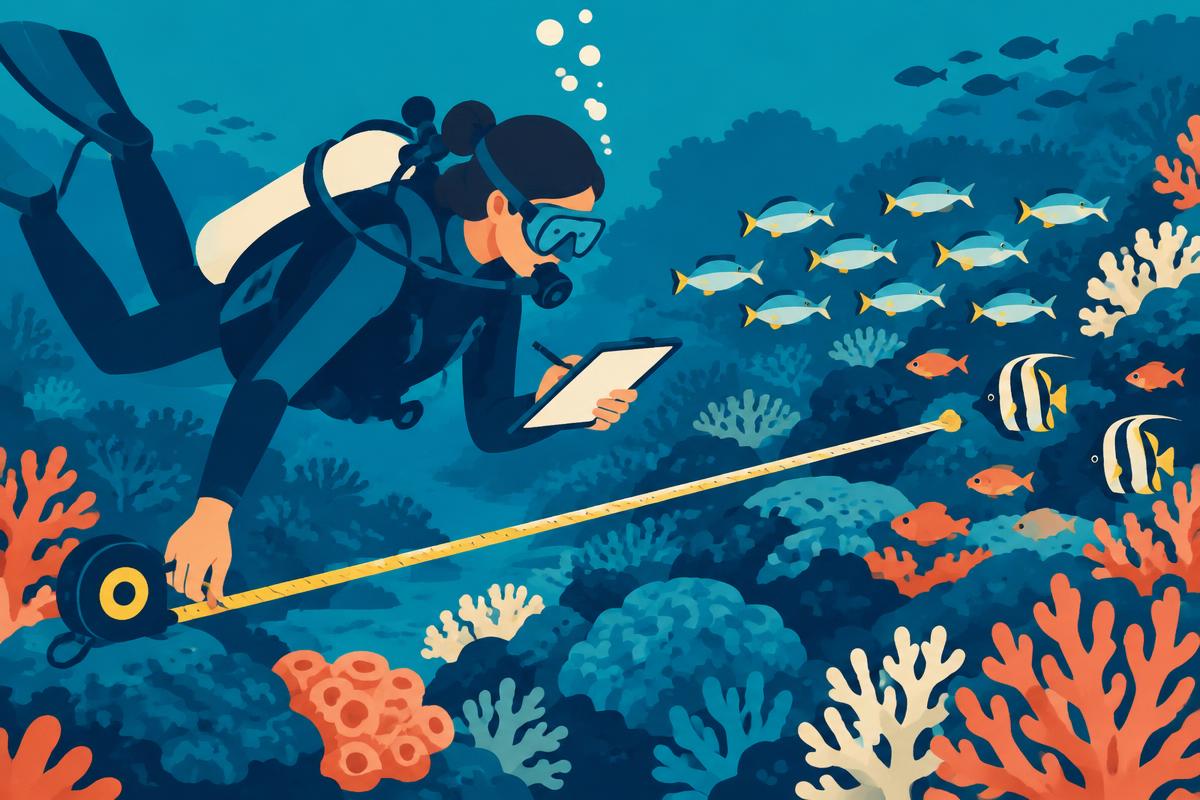
Divers are uniquely positioned to contribute to marine research. By logging your sightings, you help scientists understand and protect the oceans.
Dive safety always comes first
Never let data collection distract you from your dive safety. Keep an eye on your air, depth, buddy and surroundings at all times; observe and record only when safe.
Contributing to research
Citizen science projects rely on data from recreational divers. Whether it's counting specific fish species, reporting invasive ones or monitoring coral health, your observations have real value.
Many organisations offer apps or simple log forms to submit your data. These contributions help map biodiversity and track changes over time.
Improving observation skills
Engaging in citizen science makes you a more attentive diver. Instead of just swimming through, you start to notice details about behaviour, habitats and the health of the ecosystem.
This heightened awareness improves your diving overall. By focusing on the details, you become more mindful of your buoyancy, trim and impact on the reef.
Responsible participation
Always prioritise the environment. Do not harass marine life, touch corals or disturb the habitat just to get a closer look or a better photo for your record.
Keep your data accurate. If you are not sure about a species identification, record it as 'unknown' or seek confirmation from experts. Quality data is more important than quantity.
Dive-day checklist
Citizen science checklist
- Join a recognised citizen science project
- Learn to identify local species
- Always prioritise dive safety and air
- Record observations without disturbing life
- Upload data to the project’s platform
General guidance only. Follow your training, the dive operator’s procedures, and each manufacturer’s current instructions.
Ask the dive guide
Personal guidance for your next dive
Describe a dive scenario or an equipment-care question. The guide answers in your language and points you to relevant journal articles.
General educational guidance only. It is not medical advice, emergency instruction or a replacement for training, certification, manufacturer instructions, your operator's briefing or your dive plan.