
Diving in Marine Protected Areas: Responsible Exploration for the Siebe Gorman Diver
Marine Protected Areas (MPAs) offer incredible opportunities for divers to witness the ocean's vibrant ecosystems. As stewards of the underwater world, divers bear a special responsibility to protect these precious environments.
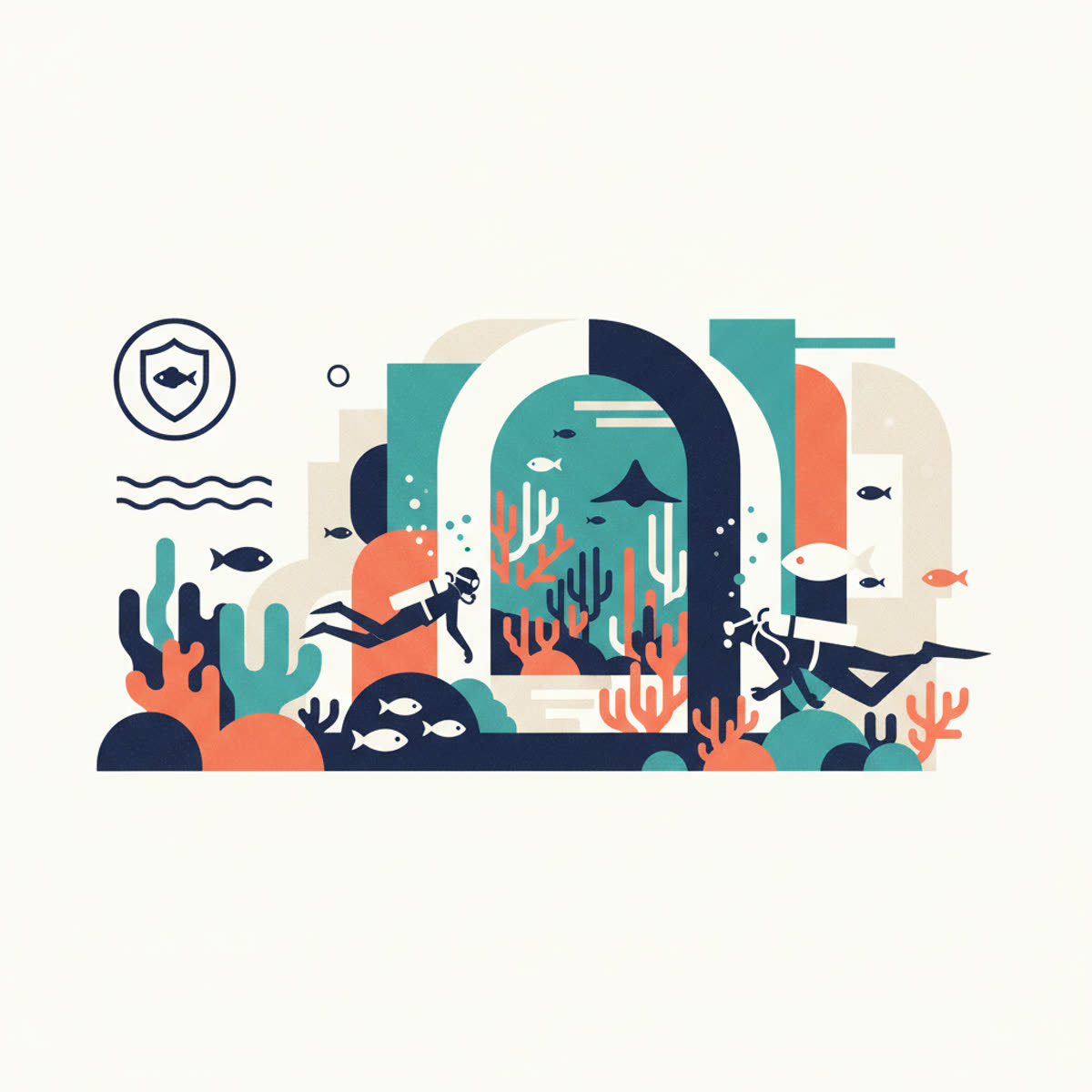
Prioritising Safety and Conservation
Always adhere to established dive safety protocols, including buddy system, dive planning, and equipment checks. When in MPAs, an additional layer of responsibility applies: strictly follow all local regulations and guidelines provided by park authorities or your dive operator. Never touch, disturb, or collect marine life or geological formations. Maintain neutral buoyancy to avoid contact with the seabed or coral. Divers with appropriate training and certifications are encouraged to seek further education on marine conservation and responsible diving practices through their training agencies. Consult with your dive medical professional regarding any health considerations, especially when diving in remote or challenging MPA locations. Adherence to manufacturer guidelines for all diving equipment is paramount for both safety and environmental protection.
Understanding Marine Protected Areas (MPAs)
Marine Protected Areas are designated zones where human activities are regulated to conserve marine biodiversity and natural resources. These areas can range from strict no-take zones to areas allowing sustainable recreational activities. The primary goal is to safeguard delicate ecosystems, promote species recovery, and provide sanctuaries for marine life.
For divers, MPAs represent a unique privilege: access to some of the healthiest and most vibrant underwater environments on the planet. This privilege comes with an inherent duty to understand and respect the specific rules governing each MPA, which are designed for long-term ecological preservation.
Preparing for Your MPA Dive
Before embarking on an MPA dive, thorough preparation is crucial. Begin by researching the specific regulations of the MPA you plan to visit. These can vary significantly, dictating everything from allowable entry points and permissible equipment to photography restrictions and interaction guidelines. Your dive operator should be your primary source of current, accurate information.
Ensure your diving skills are honed, particularly buoyancy control. Accidental contact with coral or marine life can cause irreparable damage. Consider specialty courses like 'Peak Performance Buoyancy' or 'Underwater Naturalist' offered by reputable training agencies. Verify all your Siebe Gorman and other dive equipment is in optimal condition, regularly serviced according to manufacturer specifications, to prevent any malfunctions that could lead to environmental disturbance or unsafe situations.
Responsible Diving Practices in MPAs
Once underwater, mindful behaviour is paramount. Maintain neutral buoyancy at all times, keeping a respectful distance from all marine life. Never chase, feed, or touch animals. Secure all gauges, hoses, and cameras to prevent them from dragging across the reef. Be aware of your fin kicks and body position to avoid stirring up sediment or damaging delicate organisms.
Support local conservation efforts by choosing dive operators who demonstrate strong environmental stewardship and adherence to MPA guidelines. Report any observed non-compliance or environmental damage to the appropriate authorities or your dive leader. Your actions as a diver directly contribute to the health and longevity of these vital marine sanctuaries for future generations.
Dive-day checklist
MPA Diver's Checklist
- Research specific MPA regulations before your dive.
- Ensure advanced buoyancy control skills (e.g., via specialty training).
- Secure all gear to prevent accidental reef contact.
- Maintain respectful distance; never touch or disturb marine life.
- Support environmentally responsible dive operators.
General guidance only. Follow your training, the dive operator’s procedures, and each manufacturer’s current instructions.
Ask the dive guide
Personal guidance for your next dive
Describe a dive scenario or an equipment-care question. The guide answers in your language and points you to relevant journal articles.
General educational guidance only. It is not medical advice, emergency instruction or a replacement for training, certification, manufacturer instructions, your operator's briefing or your dive plan.