
Quarry and Inland Site Diving: Practical Considerations
Exploring the unique environments of quarries and inland dive sites offers distinct challenges and rewards. This article covers essential preparations and safety measures for a successful inland diving experience.
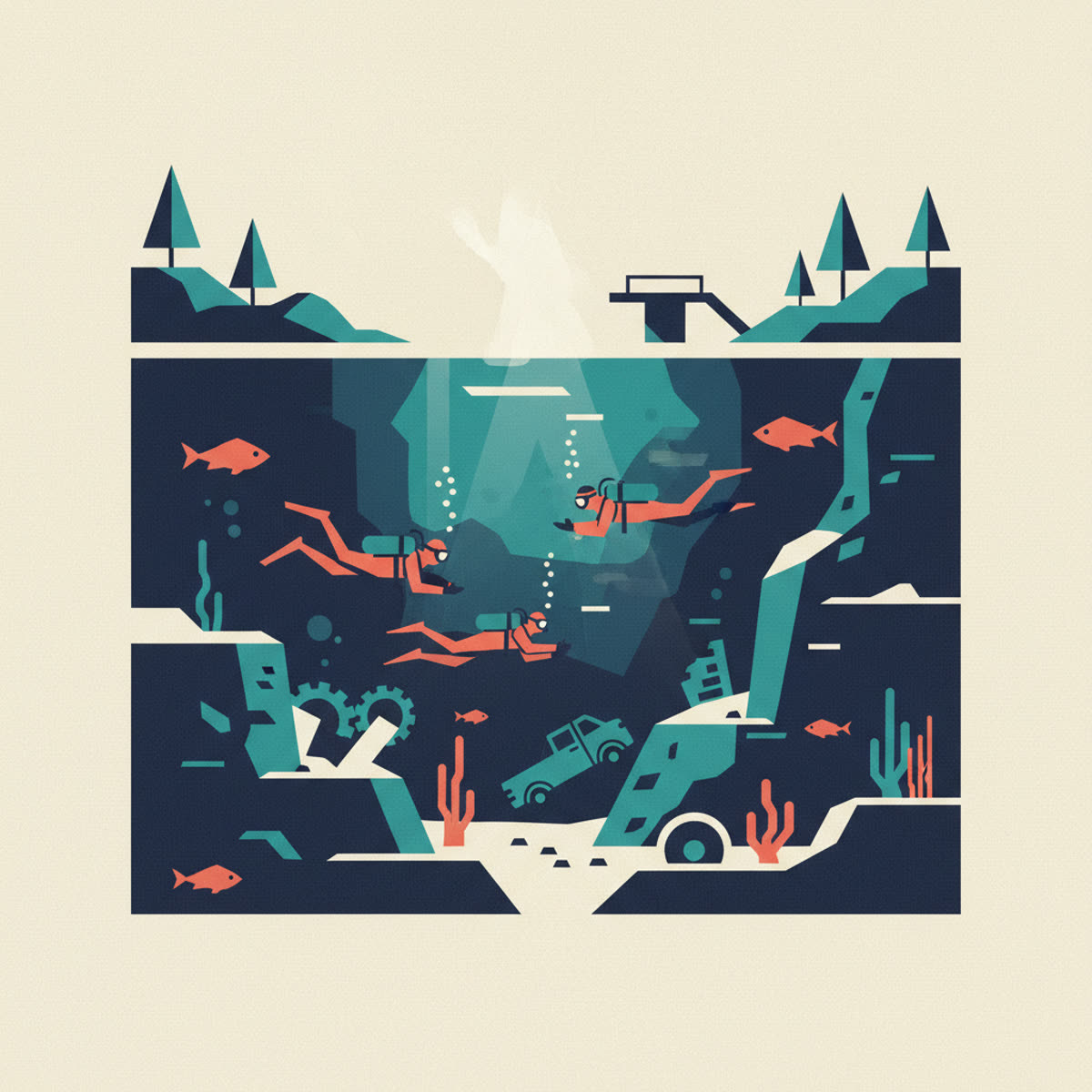
Prioritising Safety: Key Considerations for Inland Diving
Inland diving, especially in quarries, presents unique environmental factors such as cold water, limited visibility, and potential overhead environments. Always dive within your training and experience limits. Emphasise proper buoyancy control to avoid disturbing silt, which can drastically reduce visibility. Be mindful of potential hazards like discarded equipment, fishing lines, or sharp objects. Comprehensive pre-dive checks, including redundant air sources and appropriate exposure protection, are paramount. Always dive with a reliable buddy and ensure someone on the surface is aware of your dive plan and expected return time. Regular equipment maintenance, as recommended by manufacturers, is crucial for reliability in these often demanding conditions.
Understanding the Inland Environment
Quarries and inland dive sites often feature different ecosystems and physical characteristics compared to open ocean or coastal diving. Water temperatures can be significantly colder, especially at depth, necessitating appropriate thermal protection such as drysuits or thick wetsuits. Visibility, while sometimes excellent, can also deteriorate rapidly due to silt, algae blooms, or thermoclines.
These sites may also have specific regulations or operational procedures set by their management, which must be understood and adhered to. Researching the site in advance, including entry/exit points, depths, and any known hazards or attractions, is essential for a safe and enjoyable dive.
Essential Equipment and Training
Beyond standard dive gear, inland diving often benefits from specialised equipment. A powerful primary dive light and a backup light are crucial, even in daylight, due to potential low visibility or overhead environments. Redundant air sources, such as a pony bottle or an H-valve with two independent regulators, are highly recommended. Additionally, a dive computer that logs temperature and ascent rates is beneficial.
Specialised training, such as drysuit diving, enriched air nitrox, or overhead environment procedures if applicable, significantly enhances safety and enjoyment. Consult your certified training agency for courses relevant to the conditions you anticipate. Never attempt dives beyond your certification or comfort level.
Dive Planning and Emergency Preparedness
Thorough dive planning is non-negotiable for inland sites. This includes understanding potential currents, depths, and planned bottom times. Always establish clear communication signals with your buddy before entering the water. Emergency procedures, including lost buddy protocols, air sharing, and ascent strategies, should be reviewed and rehearsed.
Access to emergency services can vary greatly at inland sites. Ensure you know the local emergency numbers, the precise location of the dive site, and how to direct responders. A well-stocked first aid kit, including oxygen, and a plan for rapid transport to medical facilities are vital components of responsible inland diving.
Dive-day checklist
Inland Diving Safety Checklist
- Confirm current training and certifications for conditions.
- Inspect all equipment, including lights and redundant air sources.
- Review site-specific rules, entry/exit, and emergency plan.
- Discuss and confirm dive plan and buddy procedures.
- Ensure surface support is aware of dive details and timeline.
General guidance only. Follow your training, the dive operator’s procedures, and each manufacturer’s current instructions.
Ask the dive guide
Personal guidance for your next dive
Describe a dive scenario or an equipment-care question. The guide answers in your language and points you to relevant journal articles.
General educational guidance only. It is not medical advice, emergency instruction or a replacement for training, certification, manufacturer instructions, your operator's briefing or your dive plan.