
Recognising a thermocline
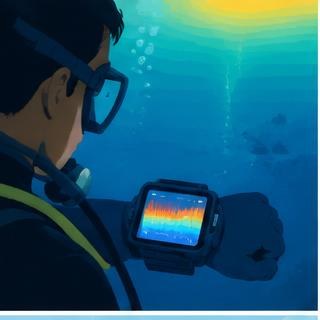
A sudden cool layer can change comfort and gas use.
Safety and training
General field notes, not a dive plan. Stay within your training, follow local site rules and the operator’s briefing.
Field observation
Temperature layers differ by season and site; visibility may change at the same boundary. A warmer surface forecast does not describe the bottom temperature.
A practical approach
Ask for recent depth-temperature observations, dress for the coldest planned layer and shorten the dive if cold or task load becomes a problem.
Dive-day checklist
Before you go
- Check local conditions and access rules
- Agree limits and the exit with your buddy
- Stop or change the plan if conditions differ
General guidance only. Follow your training, the dive operator’s procedures, and each manufacturer’s current instructions.
Ask the dive guide
Personal guidance for your next dive
Describe a dive scenario or an equipment-care question. The guide answers in your language and points you to relevant journal articles.
General educational guidance only. It is not medical advice, emergency instruction or a replacement for training, certification, manufacturer instructions, your operator's briefing or your dive plan.