
Choosing a dive torch
A reliable light is one of the most useful tools for any diver. From night dives to inspecting crevices, the right torch illuminates your path.
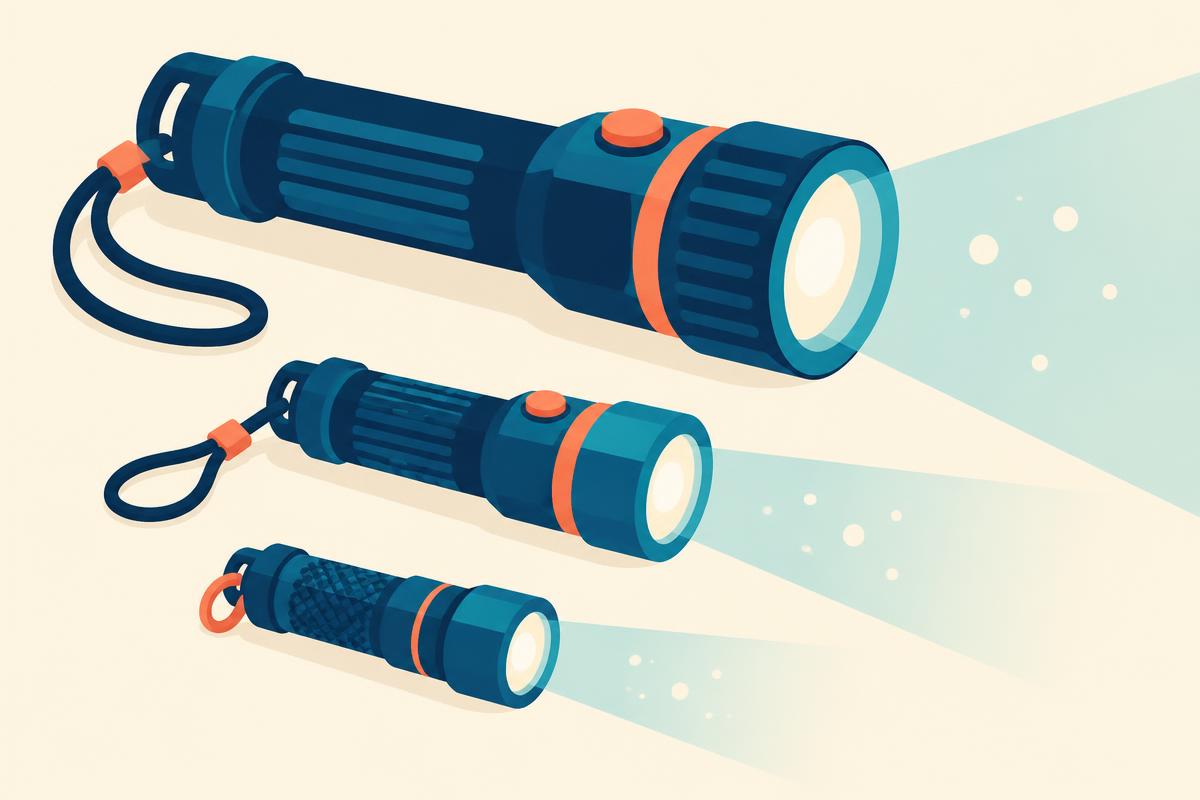
Light is a secondary safety tool
Always carry a primary light and a backup. If your light fails during a night dive or in a cave, you must have a reliable, independent light source immediately available.
Brightness and beam
Brightness is measured in lumens, but the beam angle is just as important. A wide beam is great for general visibility and photography, while a tight, focused beam is better for signalling and looking into cracks.
Many modern torches offer adjustable brightness. This is a significant advantage, as it allows you to conserve battery life and prevents blinding your buddy in clear water.
Power and battery
Consider your typical dive duration. Rechargeable lithium-ion batteries are standard for modern, high-output torches, but check if you can swap them if the light fails during a dive trip.
Look for reliable battery indicators. Knowing your remaining burn time allows you to manage your light usage throughout the dive, rather than relying on guesswork.
Durability and operation
A dive torch must be robust and watertight. Look for solid construction, reliable O-ring seals, and a switch that is easy to operate, even with thick gloves.
Test the torch before you leave. Ensure the battery is fully charged, the seals are clean and lightly greased, and the light switches on and off reliably in both high and low modes.
Dive-day checklist
Torch selection criteria
- Check brightness and beam type for your needs
- Verify battery life against dive duration
- Ensure switch is operable with gloves
- Confirm reliable O-ring seals
- Always carry a backup light
General guidance only. Follow your training, the dive operator’s procedures, and each manufacturer’s current instructions.
Ask the dive guide
Personal guidance for your next dive
Describe a dive scenario or an equipment-care question. The guide answers in your language and points you to relevant journal articles.
General educational guidance only. It is not medical advice, emergency instruction or a replacement for training, certification, manufacturer instructions, your operator's briefing or your dive plan.