
Cold-water diving preparation
Diving in colder environments requires specific equipment and mindset. Careful preparation ensures you stay warm and focused throughout your underwater session.
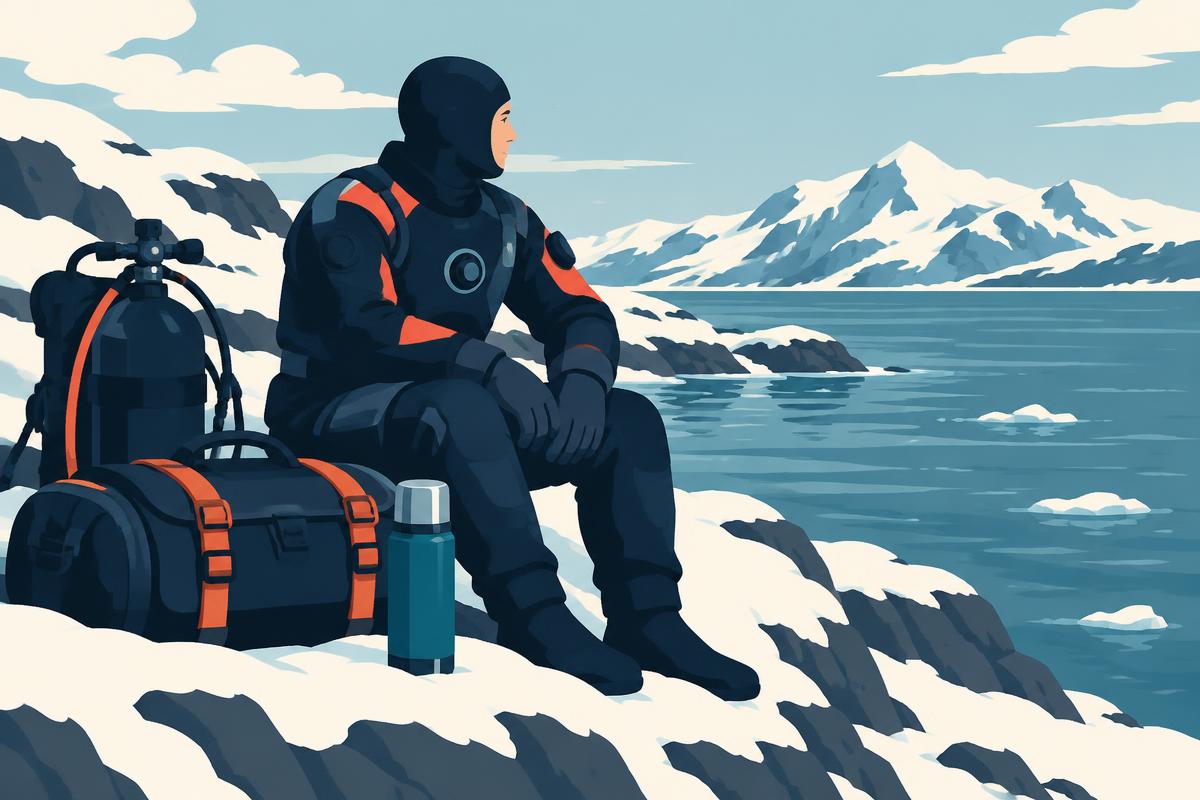
Cold water and physical stress
Cold water increases the risk of decompression sickness and regulator free-flows. Ensure all equipment is rated for the conditions and monitor yourself closely for signs of hypothermia.
Thermal protection choices
Selecting the right exposure suit is the foundation of cold-water comfort. Depending on the temperature, a thick semi-dry wetsuit or a drysuit with appropriate undergarments may be necessary.
Don’t forget the extremities; high-quality hoods, gloves, and boots are essential. Even a small gap in your thermal protection can lead to significant heat loss over the course of a dive.
Equipment considerations
Regulators used in cold water must be environmentally sealed to prevent internal icing. It is crucial to have your gear serviced regularly by a technician who understands cold-water requirements.
Avoid breathing from your regulator on the surface in freezing air, as this can trigger a free-flow before you even enter. Test your drysuit valves and seals thoroughly during your pre-dive checks.
Planning and safety
Dives in cold water should generally be shorter and shallower than those in tropical environments. The physical stress of the cold can affect your judgment and increase gas consumption.
Stay hydrated and warm between dives. Use a windproof jacket on the boat or shore, and avoid overexerting yourself, as this can lead to faster cooling once you are back in the water.
Dive-day checklist
Cold-water prep checklist
- Inspect drysuit seals and zippers
- Confirm regulator is cold-water rated
- Prepare appropriate thermal undergarments
- Limit surface interval exposure to wind
- Monitor for early signs of shivering
General guidance only. Follow your training, the dive operator’s procedures, and each manufacturer’s current instructions.
Ask the dive guide
Personal guidance for your next dive
Describe a dive scenario or an equipment-care question. The guide answers in your language and points you to relevant journal articles.
General educational guidance only. It is not medical advice, emergency instruction or a replacement for training, certification, manufacturer instructions, your operator's briefing or your dive plan.