
Freshwater lake diving
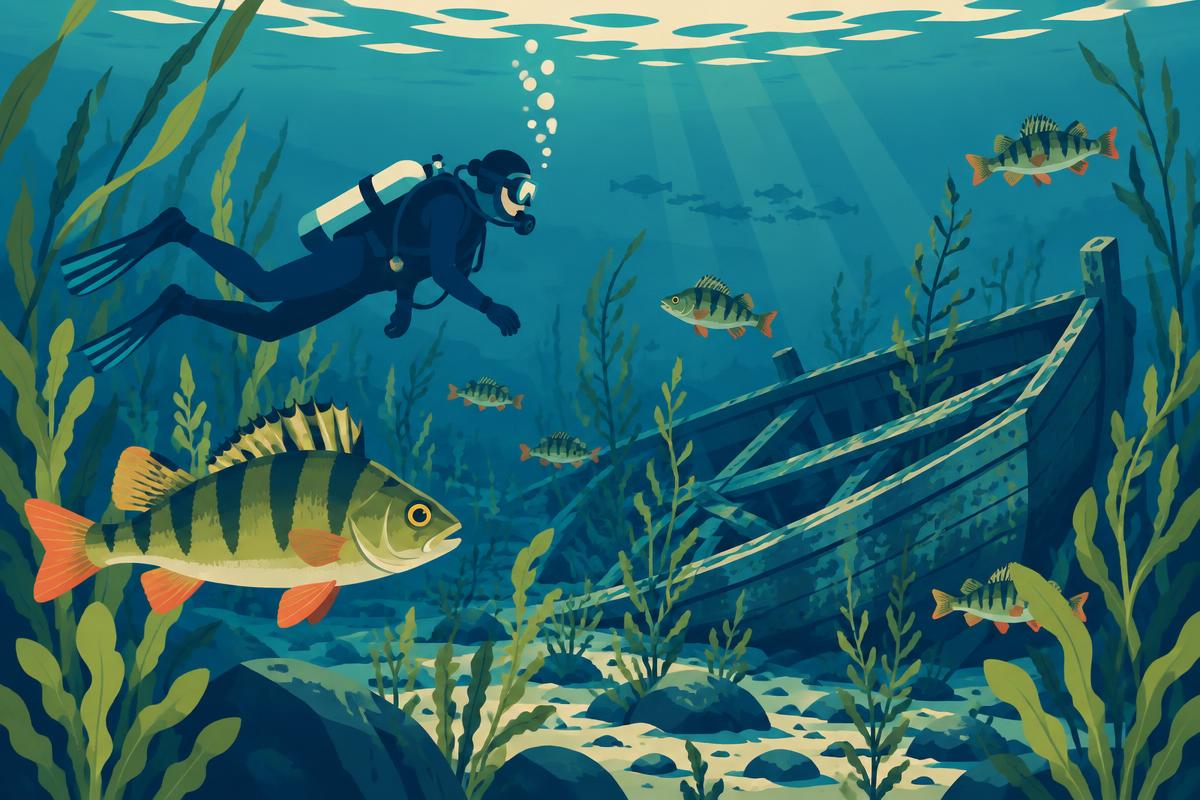
Lake diving offers unique experiences, from historical shipwrecks to beautiful freshwater ecology. However, different environment means different preparation.
Know the environment
Lakes can have thermoclines and varying visibility. Check conditions and ask local experts before diving.
Freshwater buoyancy
Fresh water is less dense than salt water, meaning you will need less weight. Perform a proper buoyancy check before the start of the dive.
Your equipment might react differently; ensure your thermal protection is appropriate for the expected water temperature, which can drop rapidly with depth.
Environmental awareness
Lakes often have limited visibility and different aquatic life compared to the ocean. Be prepared to navigate in low-light conditions.
Respect the lake environment, avoid disturbing the bottom, and follow local guidelines regarding access and protection of the area.
Planning the dive
Check for potential hazards such as submerged trees, fishing lines, or cold-water pockets. A proper site briefing is essential.
As with any dive, confirm your buddy’s gear and agree on the dive plan before entering the water.
Dive-day checklist
Lake diving essentials
- Do a weight check for fresh water
- Check thermal protection needs
- Research site hazards and depth
- Discuss dive plan with buddy
- Be ready for limited visibility
General guidance only. Follow your training, the dive operator’s procedures, and each manufacturer’s current instructions.
Ask the dive guide
Personal guidance for your next dive
Describe a dive scenario or an equipment-care question. The guide answers in your language and points you to relevant journal articles.
General educational guidance only. It is not medical advice, emergency instruction or a replacement for training, certification, manufacturer instructions, your operator's briefing or your dive plan.