
Diving in Kelp Forests: Navigating Nature's Cathedral
Kelp forests are mesmerizing underwater cathedrals, teeming with life. While undeniably beautiful, diving in these unique environments demands a cautious and well-prepared approach to ensure safety and enjoyment.
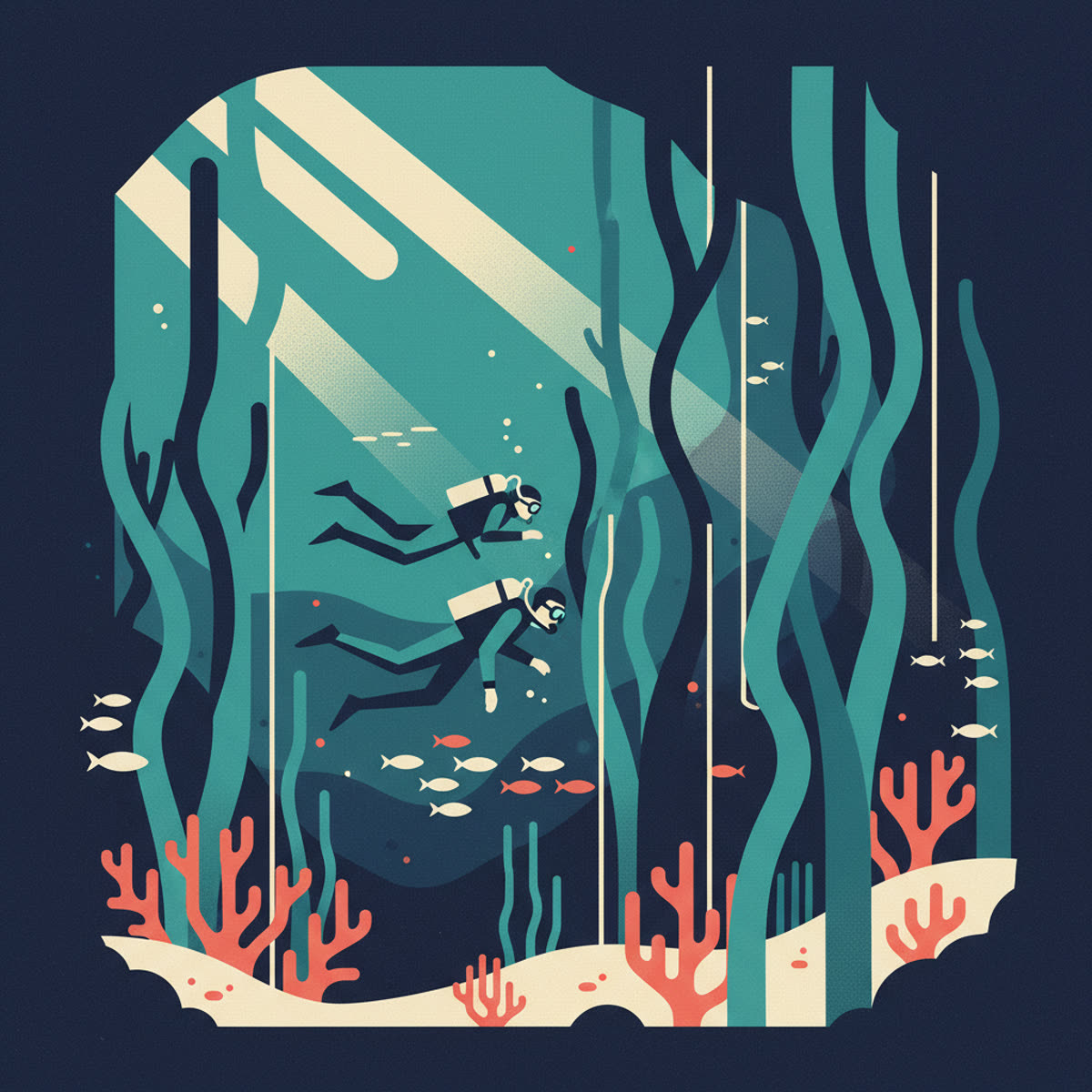
Prioritizing Your Safety: Essential Considerations
Diving in kelp forests presents specific challenges beyond standard open-water dives. Adherence to established safety protocols, thorough preparation, and continuous awareness are paramount. Always dive within your training limits and consult with your dive operator and instructors regarding local conditions and specific kelp forest diving techniques. If you feel uncomfortable at any point, ascend safely and discontinue the dive. Your well-being is the utmost priority.
Understanding the Kelp Environment
Kelp forests are complex ecosystems, often characterized by strong currents and reduced visibility due to the sheer density of the kelp itself. These factors can rapidly change, impacting navigation and ascent paths. Understanding the dynamic nature of these environments is the first step towards a safe dive.
Marine life within kelp can be abundant and diverse, from small invertebrates to larger predators. While generally benign, knowing the local inhabitants and respecting their space is crucial. Avoid touching marine life or disturbing the delicate balance of the ecosystem.
Essential Gear and Preparation
Beyond your standard diving equipment, specific considerations for kelp diving include a knife or line cutter, which is absolutely essential for entanglement scenarios. Consider a smaller, less bulky primary light for navigating tight spaces and a robust backup light. A compass and audible signaling device are also highly recommended.
Opt for a streamlined gear configuration to minimize snagging risks. Ensure all hoses are secured, and gauges are tucked away. A well-maintained and properly fitted wetsuit or drysuit is critical for thermal protection, as kelp forests are often found in cooler waters.
Techniques for Safe Kelp Navigation
Maintain impeccable buoyancy control. This allows you to stay above the thickest parts of the kelp canopy and avoid contact with the bottom. Practice finning techniques that minimize disturbance and prevent stirring up sediment, which can further reduce visibility. Hovering above the kelp allows for better observation and easier navigation.
Dive with an experienced buddy who is also comfortable in kelp, and maintain close proximity. Develop clear hand signals specific to potential hazards or entanglement. Always have an emergency ascent plan, including procedures for minor entanglements and how to use your cutting tool efficiently. Regular practice with your cutting tool on the surface is advisable.
Dive-day checklist
Kelp Forest Dive Checklist
- Dive Knife/Line Cutter (easily accessible)
- Streamlined Gear Configuration (no dangling hoses/gauges)
- Excellent Buoyancy Control & Finning Skills
- Experienced Buddy & Clear Communication Plan
- Comprehensive Pre-Dive Briefing (conditions, hazards, plan)
General guidance only. Follow your training, the dive operator’s procedures, and each manufacturer’s current instructions.
Ask the dive guide
Personal guidance for your next dive
Describe a dive scenario or an equipment-care question. The guide answers in your language and points you to relevant journal articles.
General educational guidance only. It is not medical advice, emergency instruction or a replacement for training, certification, manufacturer instructions, your operator's briefing or your dive plan.