
An Introduction to Muck Diving: Uncovering the Hidden Gems Beneath the Surface
Muck diving offers a unique perspective on marine life, revealing creatures often overlooked in vibrant coral reefs. This guide introduces the fascinating world of macro photography and unusual encounters found in seemingly barren environments.
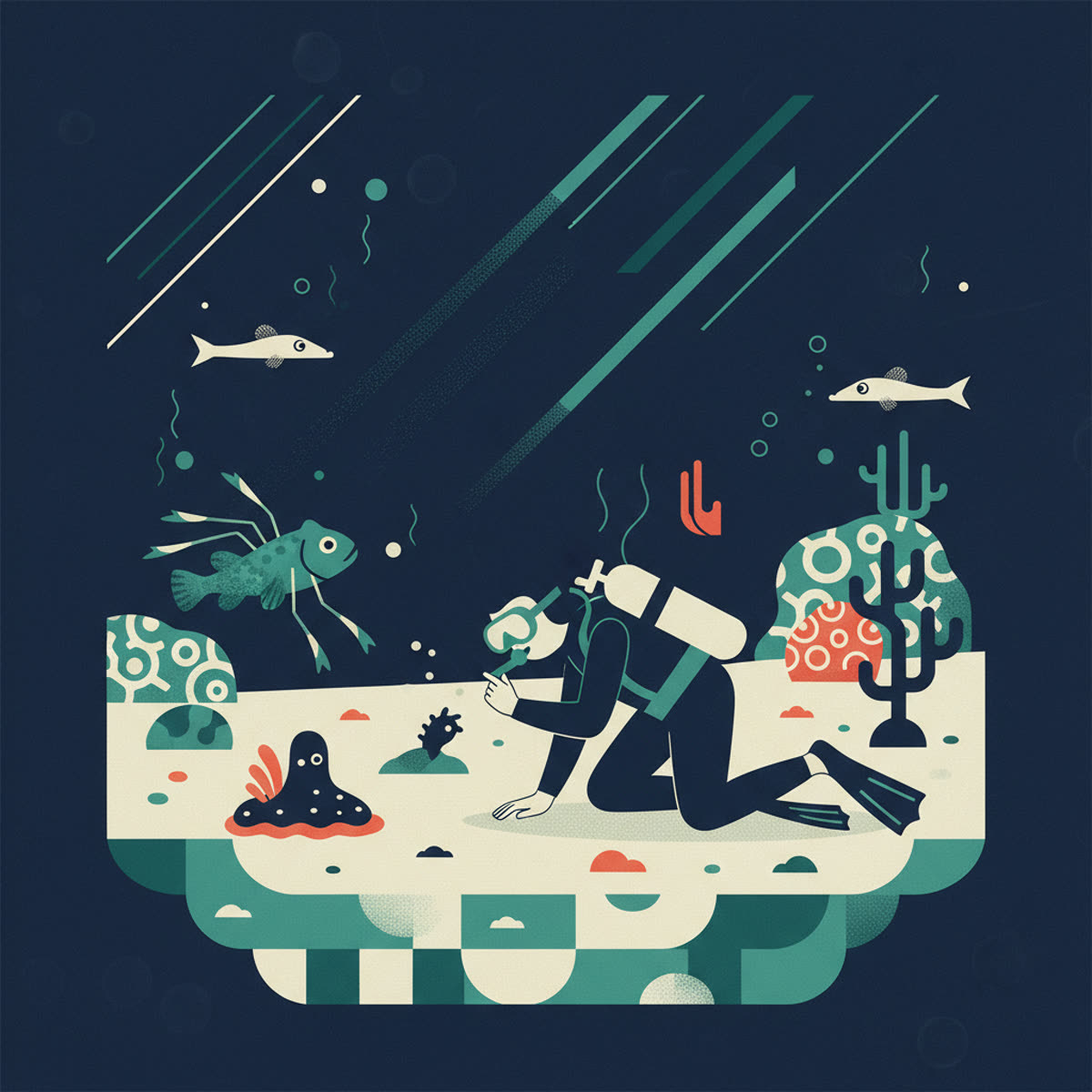
Muck Diving Safety Considerations
As with all diving activities, safety is paramount. Proper training, suitable equipment, and adherence to dive plan guidelines are crucial. Always dive within your certified limits and consult with your dive operator and instructors regarding local conditions and specific challenges associated with muck diving. Regular equipment checks, as recommended by manufacturers like Siebe Gorman, ensure reliability. For any medical concerns, seek advice from a qualified diving physician.
What is Muck Diving?
Muck diving, often conducted in areas like sandy flats, volcanic slopes, or silty estuaries, focuses on discovering small, rare, and often camouflaged marine organisms. Unlike traditional reef diving that highlights large schools of fish and expansive coral formations, muck diving emphasizes macro life, compelling divers to slow down and observe their surroundings with keen attention.
This specialized form of recreational diving thrives in environments that might initially appear uninteresting. However, these seemingly barren landscapes are vibrant ecosystems supporting an incredible diversity of life, from various species of nudibranchs and frogfish to mimic octopuses and flamboyant cuttlefish. It's a treasure hunt for the unusual and the beautiful.
Essential Gear and Techniques
Successful muck diving often relies on specific gear and refined techniques. Excellent buoyancy control is non-negotiable to avoid disturbing the silty bottom and compromising visibility for yourself and others. Many divers find a focus light or dive torch indispensable for illuminating subjects and restoring natural colors, especially for macro photography. A magnifying glass can further enhance the experience, revealing intricate details of tiny creatures.
Specialized cameras with macro lenses are a favorite among muck divers, allowing for stunning close-up shots. Always ensure your equipment, including your primary and alternate air sources from trusted manufacturers, is in peak condition as per manufacturer guidelines. Training agencies strongly recommend relevant specialty courses, such as PADI's Peak Performance Buoyancy or SSI's Muck Diving Specialty, to refine the necessary skills.
Respecting the Environment
The delicate nature of muck environments demands utmost respect and caution from divers. Disturbing the substrate can negatively impact fragile ecosystems and reduce visibility for all. Always maintain neutral buoyancy, keeping all fins and equipment well clear of the bottom. Avoid touching or harassing marine life; observe from a respectful distance and never attempt to move creatures for a better photograph.
Responsible diving practices ensure these unique habitats can continue to thrive for future generations. Follow all local regulations and guidelines provided by your dive operator. Education on marine conservation and responsible interaction with underwater environments is championed by leading training agencies, reinforcing the importance of being a steward of the ocean.
Dive-day checklist
Muck Diving Readiness Checklist
- Certified to appropriate dive level and completed relevant specialty training (e.g., buoyancy control, underwater photography).
- Equipment checked and serviced according to manufacturer (e.g., Siebe Gorman) recommendations.
- Excellent buoyancy control skills verified during recent dives.
- Dive plan reviewed with guide; local conditions and potential hazards understood.
- Appropriate lighting and macro photography gear (if desired) prepared.
General guidance only. Follow your training, the dive operator’s procedures, and each manufacturer’s current instructions.
Ask the dive guide
Personal guidance for your next dive
Describe a dive scenario or an equipment-care question. The guide answers in your language and points you to relevant journal articles.
General educational guidance only. It is not medical advice, emergency instruction or a replacement for training, certification, manufacturer instructions, your operator's briefing or your dive plan.